School Zone Safety: How Clear Windscreens Protect Families in The Hills District
The Hills District is home to numerous schools serving thousands of families across suburbs like Castle Hill, Baulkham Hills, Kellyville, and Bella Vista. During morning drop-off and afternoon pick-up times, school zones become high-traffic areas where visibility is paramount for protecting children and families. Your windscreen's condition directly affects your ability to see pedestrians, cyclists, and other vehicles in these busy environments, making proper auto glass maintenance a critical safety consideration for local families.
Understanding School Zone Risks in The Hills District
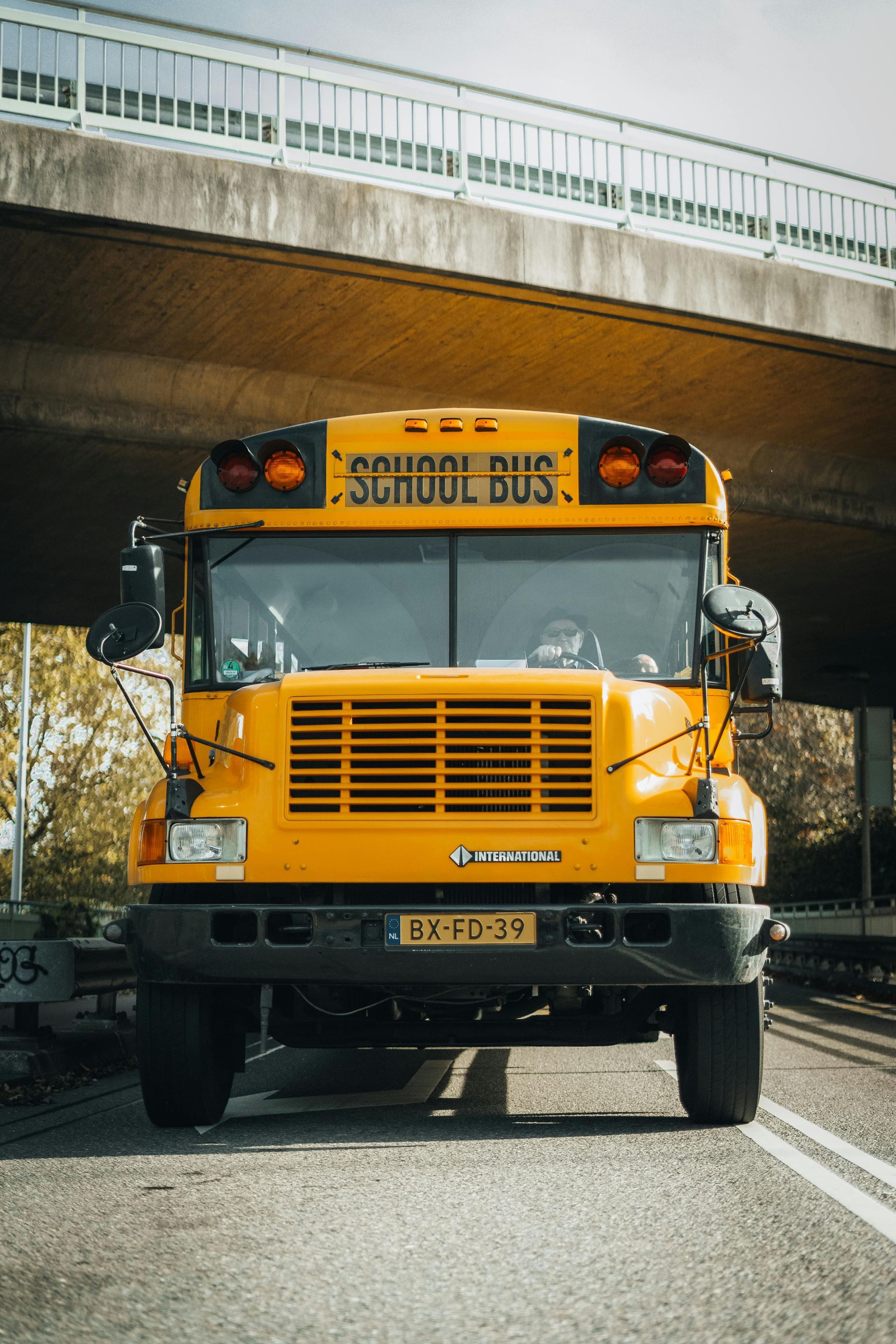
School zones throughout The Hills District present unique visibility challenges that demand optimal windscreen condition. The combination of heavy pedestrian traffic, distracted drivers, and time-pressured morning routines creates environments where clear, unobstructed vision becomes essential for preventing accidents.
Peak Time Visibility Challenges
Morning school drop-off between 8:00am and 9:00am coincides with low-angle sunlight that creates severe glare conditions across The Hills District. Streets running east-west, including Old Northern Road, Carrington Road, and North Rocks Road, experience particularly intense morning sun glare that can blind drivers with damaged or dirty windscreens. Small chips, cracks, or scratches in your windscreen refract this sunlight, creating bright spots and visual distortions that obscure children crossing roads or emerging from between parked cars. The afternoon pick-up period between 2:30pm and 3:30pm brings similar challenges with western sun angles, though typically with less intensity than morning conditions.
Schools throughout Castle Hill, Baulkham Hills, and surrounding suburbs position their drop-off zones along busy through-roads rather than quiet side streets due to site constraints. This traffic integration means parents must navigate complex environments where school traffic mixes with commuters, delivery vehicles, and local shoppers. Clear windscreen visibility allows you to track multiple movement sources simultaneously, identifying children who might step onto roads, other vehicles braking suddenly, or crossing supervisors directing traffic. Any windscreen damage impairing your field of vision reduces your ability to process these complex visual environments safely.
Rain during school hours multiplies visibility problems exponentially. The Hills District experiences significant rainfall particularly during autumn and winter months, with sudden downpours common during school commute times. Worn wiper blades, damaged windscreen surfaces, or chips that have collected moisture create streaking patterns that severely impair visibility during rain. Water pooling in windscreen chips refracts light unpredictably, creating moving blind spots as rain intensity varies. Parents rushing to collect children in heavy rain face compounded visibility challenges where windscreen condition becomes critically important for safe operation.
Common School Zone Hazards
Children's unpredictable behavior creates the primary safety concern in school zones. Young students may run suddenly into roads chasing dropped items, forget to look for traffic while talking with friends, or misjudge vehicle speeds when crossing. Drivers require maximum visual awareness to spot these unexpected movements early enough to react safely. A chip or crack in your windscreen positioned within your direct line of sight can obscure a child's figure for the split second needed to prevent accidents. The visual distortion from windscreen damage affects depth perception and movement detection, both critical for identifying children's actions in busy school environments.
Cyclists and scooter riders add another layer of complexity to school zone traffic. Many Hills District students ride bicycles or scooters to school, creating fast-moving smaller profiles that are more difficult to track than pedestrians. These riders often travel in groups, weaving between parked cars and sometimes riding against traffic flow on footpaths before entering roadways. Clear windscreen vision allows drivers to spot these cyclists earlier and track their movements more accurately. Windscreen damage that creates visual blind spots or distortions increases the risk of failing to see cyclists until they are dangerously close.
Parked cars along school frontages create visibility obstacles that demand extra attention. Parents parking briefly for drop-offs or pick-ups often double-park or stop in no-standing zones, creating unpredictable traffic patterns. Children emerge from between parked vehicles with limited sight lines, relying on drivers to see them and stop. Your windscreen must be completely clear to allow you to scan between parked cars for movement, detecting children before they step into traffic lanes. Even small areas of windscreen damage can create blind spots that hide children emerging from between vehicles.
How Windscreen Damage Impairs School Zone Safety
Understanding the specific ways windscreen damage compromises visibility helps you recognize why even minor chips or cracks require prompt attention, particularly for families regularly driving through school zones.
Visual Distortion and Glare Issues
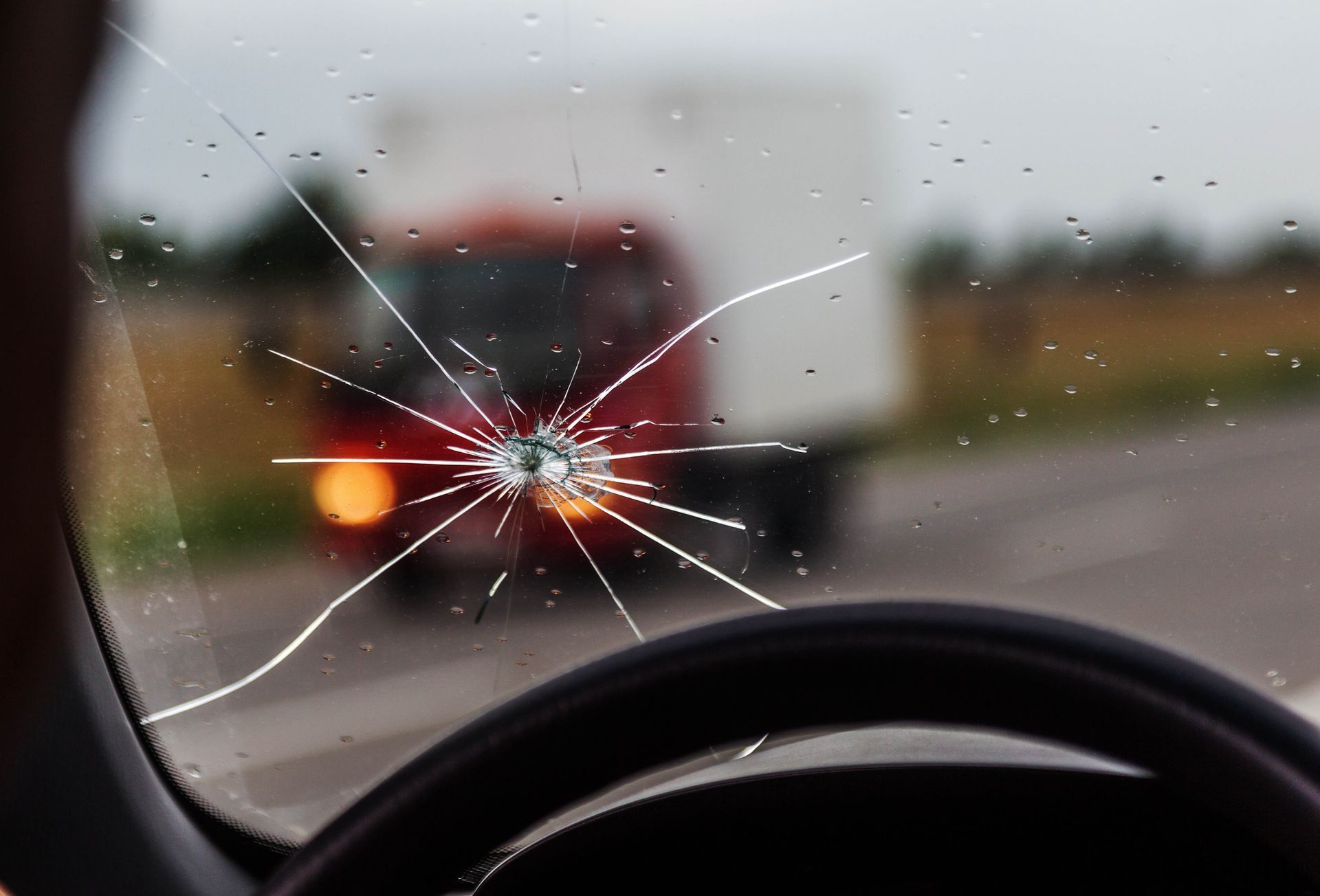
Small chips in windscreens create disproportionate visual problems during school commute times. When morning or afternoon sun strikes a chip at particular angles, the damaged glass refracts light intensely, creating bright spots or star-burst patterns that obscure surrounding vision. These glare effects move as your head position changes or as you drive, creating unpredictable blind spots that could hide children at critical moments. A chip that seems barely noticeable during overcast conditions becomes a significant safety hazard during bright sunny periods common in The Hills District.
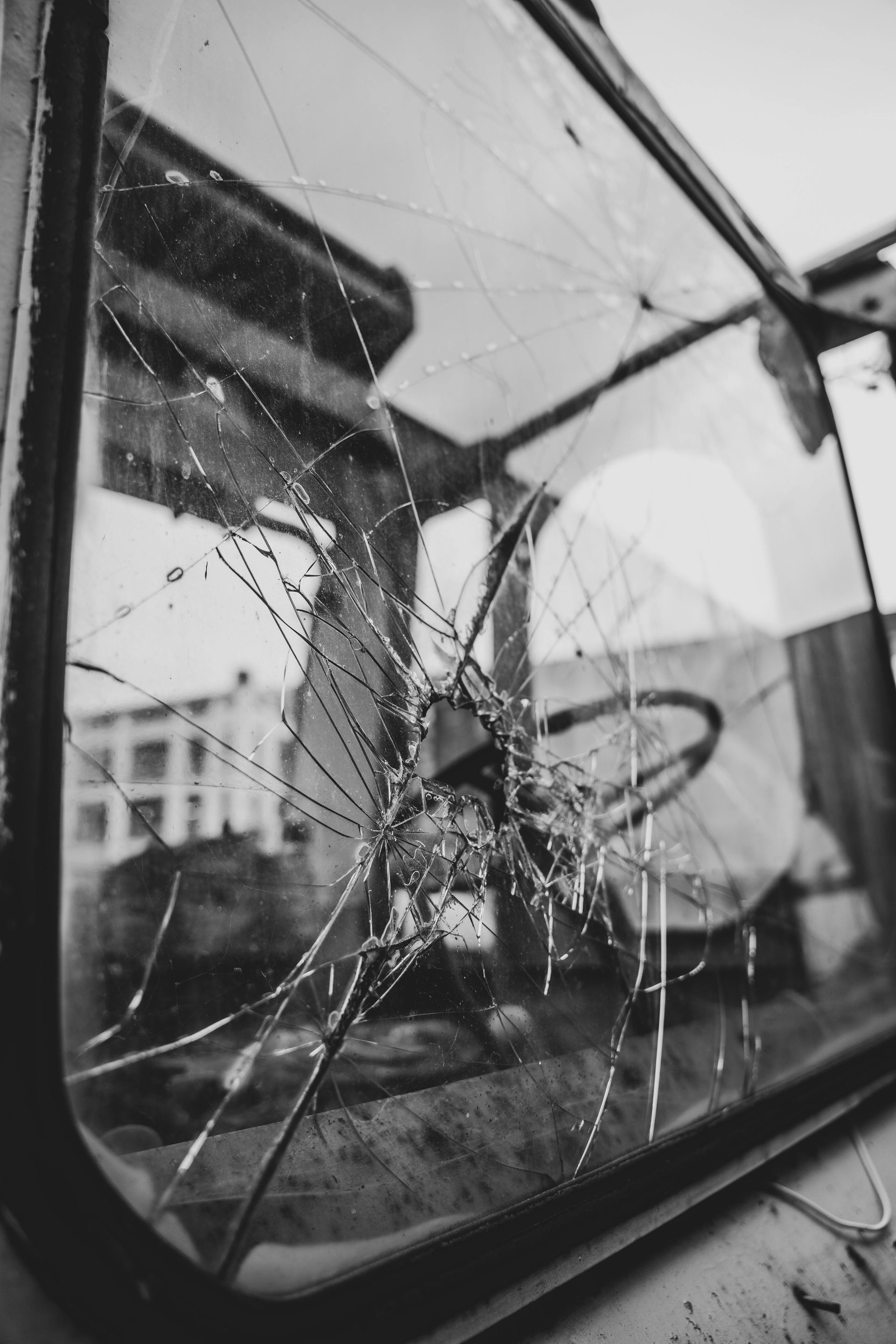
Cracks create similar but more extensive visual distortions. The fractured glass along crack edges bends light irregularly, creating wavy or double-image effects that make judging distances difficult. When tracking children's movements across your field of vision, these distortions can make it appear that children are closer or further away than their actual positions. This perceptual confusion affects your ability to judge whether you can safely proceed or must stop, with potentially tragic consequences if misjudged. Longer cracks that extend across significant portions of your windscreen create extended zones of visual distortion.
Scratched windscreens diffuse light rather than allowing clean transmission. Years of wiper blade operation, road debris impacts, and improper cleaning create microscopic and visible scratches across windscreen surfaces. These scratches become particularly problematic during morning and afternoon school runs when low-angle sunlight passes through scratched glass. The diffused light creates a hazy appearance that reduces contrast, making it harder to distinguish children wearing dark school uniforms against shadowed backgrounds. Fresh, clean windscreens without scratches provide the sharp contrast needed to spot children quickly in varied lighting conditions.
Reduced Field of Vision
Damaged windscreens force drivers to compensate by adjusting viewing angles or head positions to see around problem areas. This compensation reduces the natural field of vision and creates momentary blind spots during head movements. In school zones where children, cyclists, and other vehicles move constantly in multiple directions, maintaining full field of vision without needing to adjust your viewing position is essential for comprehensive awareness. Windscreen damage that forces you to crane your neck or shift in your seat to see clearly introduces dangerous delays in spotting hazards.
Structural components, including A-pillars, already create blind spots that conscientious drivers learn to manage through head checks and positioning. Adding windscreen damage creates additional blind spots beyond these structural limitations. The combination of A-pillar blind spots and windscreen damage areas can create surprisingly large zones of invisibility, particularly dangerous at intersections near schools where children cross from multiple directions. Eliminating windscreen damage as a blind spot source allows you to focus attention on managing unavoidable structural blind spots.
Peripheral vision relies on the outer edges of your windscreen, where damage often occurs. Chips and cracks commonly appear near windscreen edges from stone strikes or stress points. These edge areas correspond to your peripheral vision zones that detect movement from side directions. Children running into streets from footpaths or driveways appear first in peripheral vision, triggering your attention shift to direct vision for assessment. Damage in peripheral windscreen areas delays this detection, reducing your reaction time when children enter roadways unexpectedly.
Maintaining Optimal Windscreen Condition for School Safety
Protecting your family and others in The Hills District school zones requires proactive windscreen maintenance that ensures optimal visibility during every school commute.
Regular Inspection and Prompt Repair
Weekly windscreen inspections identify developing problems before they compromise safety. Take two minutes each week to examine your windscreen from both inside and outside the vehicle, looking for new chips, crack growth, or developing scratches. Pay particular attention to the area swept by wiper blades, as this represents your primary viewing zone. Early detection of damage allows repair when chips are small and cracks are short, preventing progression into irreparable damage requiring full windscreen replacement.
Immediate chip repair prevents crack development. Most windscreen chips smaller than a five cent coin can be repaired effectively using resin injection techniques when addressed within days of damage occurring. The repair process takes 30 to 60 minutes and typically costs $80 to $150, far less than the $300 to $800 required for complete windscreen replacement. Hills District families should treat chip repair as urgent safety maintenance rather than deferrable convenience work, particularly during school terms when daily school zone driving creates maximum exposure to visibility-dependent risks.
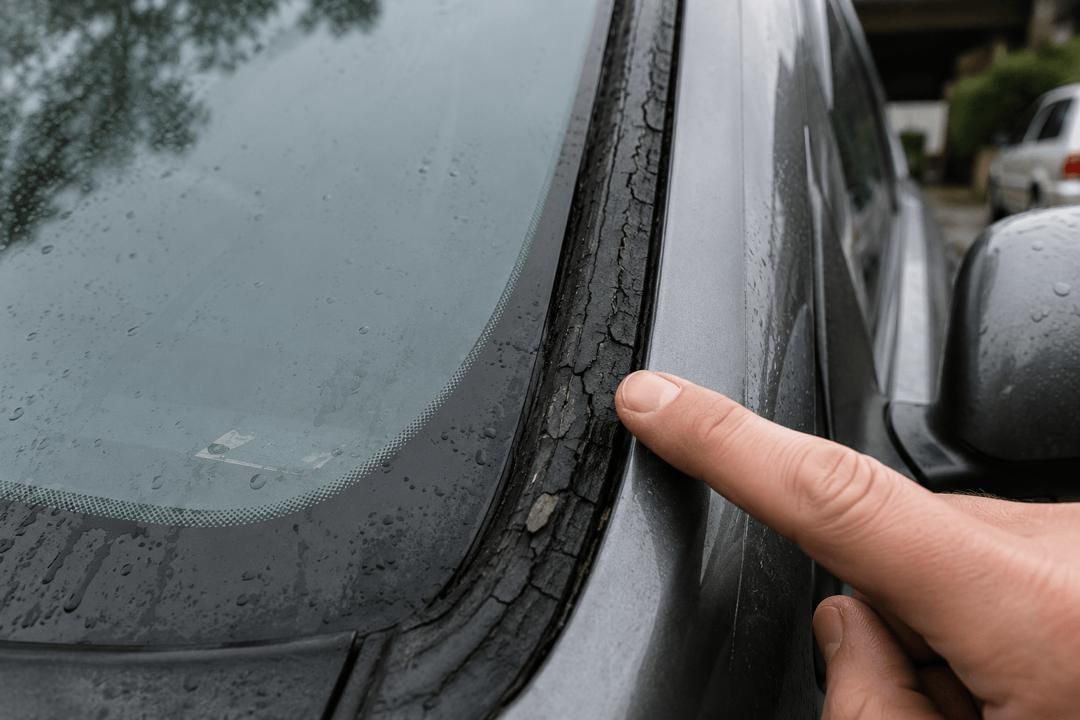
Professional assessment determines whether damage is repairable or requires replacement. Not all chips can be repaired, with location, size, and damage characteristics determining appropriate responses. Chips in the driver's direct line of sight, multiple chips, or cracks exceeding credit card length typically require windscreen replacement. Professional auto glass technicians assess damage and provide honest recommendations about repair versus replacement options. This expert evaluation ensures your windscreen meets safety standards rather than relying on DIY assessment that might underestimate damage severity.
Wiper Blade Maintenance
Quality wiper blades are essential partners to clear windscreens in maintaining school zone visibility. Replace wiper blades every six months or whenever you notice streaking, chattering, or reduced clearing effectiveness. The Hills District's seasonal rainfall means wipers work hard during winter months, wearing rubber edges that then scratch windscreen surfaces during operation. Damaged wiper blades can create permanent scratches requiring windscreen replacement, making regular wiper replacement far more economical than neglecting this simple maintenance.
Premium wiper blades designed for Australian conditions provide superior performance. Quality blades using silicone rubber or advanced synthetic compounds maintain flexibility and effectiveness longer than budget alternatives. For families making daily school runs, investing $40 to $80 annually in quality wiper blades delivers value through maintained visibility during critical driving periods. The connection between wiper condition and windscreen longevity means that wiper maintenance protects your larger windscreen investment while enhancing immediate safety.
Washer fluid selection affects cleaning effectiveness and windscreen protection. Use quality windscreen washer fluid rather than plain water or homemade solutions. Quality fluids contain cleaning agents that remove road film, insect residue, and pollen without leaving streaks. They also include lubricants that reduce wiper blade friction, extending both wiper and windscreen life. During pollen season particularly in spring, quality washer fluid becomes essential for maintaining clear vision through The Hills District's heavily vegetated suburbs.
Strategic Driving Practices
Positioning your vehicle to optimize visibility reduces school zone risks. When approaching schools or traveling through school zones, position your vehicle in lanes that provide maximum sight distance and clear views of crossing areas. Avoid following large vehicles that block your forward vision, instead maintaining following distances that allow you to see around or past vehicles ahead. This defensive positioning provides more time to identify hazards and reduces reliance on emergency braking responses that damaged windscreens might delay.
Reduce speed below posted school zone limits when conditions warrant. While 40 km/h school zone limits apply during specified times, additional speed reduction makes sense during poor visibility conditions including rain, fog, or intense glare. Slower speeds provide additional time to identify hazards despite any minor windscreen imperfections, while also reducing accident severity if collisions occur. Hills District families should recognize that arriving 30 seconds later is preferable to driving at maximum legal speeds when visibility is compromised.
Avoid distractions that compound visibility limitations. Mobile phone use, eating, adjusting entertainment systems, or conversing intensely with passengers divide attention that should focus completely on school zone environments. When windscreen damage creates any degree of visual impairment, maintaining absolute attention on driving becomes even more critical. The compounding effect of visual impairment and divided attention dramatically increases accident risk in environments where children's safety depends on driver awareness.
Conclusion
Clear windscreens represent fundamental safety equipment for families navigating The Hills District's busy school zones, where thousands of children cross roads and travel to educational facilities daily. The combination of intense morning and afternoon sun glare, unpredictable child behavior, heavy traffic volumes, and complex environments surrounding schools like those on Old Northern Road, Carrington Road, and throughout Castle Hill creates conditions where optimal visibility is non-negotiable. Even minor windscreen damage, including small chips, short cracks, or surface scratches, significantly impairs your ability to see children, cyclists, and other hazards, with visual distortions, glare intensification, and reduced field of vision creating dangerous blind spots during critical moments when seconds determine whether accidents occur or are avoided.
Maintaining pristine windscreen condition through weekly inspections, immediate chip repair, regular wiper blade replacement, and prompt professional assessment of any damage provides the clear vision necessary for protecting your family and others in school environments. The modest costs of proactive windscreen maintenance, typically $80 to $150 for chip repairs or $40 to $80 annually for quality wiper blades, pale in comparison to the devastating consequences of reduced visibility accidents involving children. For Hills District families making daily school runs through suburbs including Baulkham Hills, Kellyville, Bella Vista, and surrounding areas, treating windscreen condition as a critical safety priority rather than a cosmetic concern demonstrates responsibility toward the community's most vulnerable road users while protecting your own family during every school commute throughout the year.
About The Hills Auto Glass
The Hills Auto Glass provides professional windscreen repair and replacement services throughout The Hills District, serving families in Castle Hill, Baulkham Hills, Kellyville, Bella Vista, and surrounding suburbs. Understanding the critical importance of clear windscreens for school zone safety, they offer prompt chip repair services that prevent minor damage from progressing into visibility-impairing cracks. Their experienced technicians provide mobile services coming to your home or workplace, allowing busy parents to address windscreen damage without disrupting school run schedules. The Hills Auto Glass works with all major insurance companies and offers competitive pricing for private customers, helping local families maintain safe, roadworthy vehicles that protect children throughout The Hills District's school zones.
Ready to work with The Hills AutoGlass?
Let's connect! We’re here to help.
Send us a message and we’ll be in touch.
Or give us a call today at 0290-721-117
Agency Contact Form
More Marketing Tips, Tricks & Tools
Blogs | The Hills AutoGlass